
The history of Oldham Bros
From humble beginnings as local scrap metal merchants in 1946, Oldham Bros has grown into one of Merseyside’s most respected names in demolition, recycling and waste services.
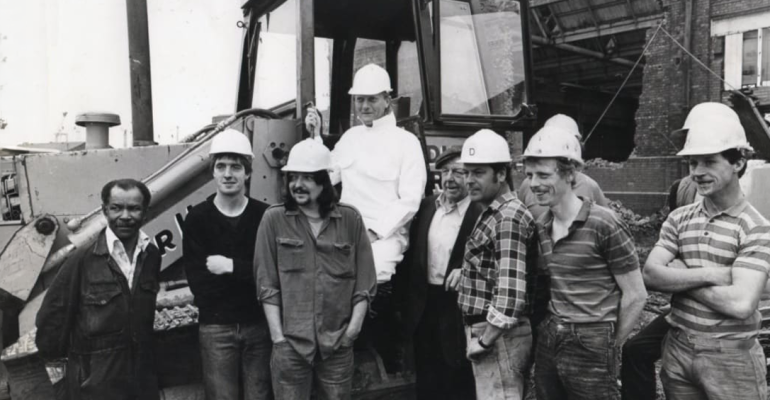
The Beginning
Starting out, Oldham Bros began as humble scrap metal merchants, serving the local community with reliability and integrity. From these early days, the company built a reputation for honesty, hard work, and a keen understanding of the metals trade — qualities that would become the foundation for everything that followed. Even in those first years, the team was focused not just on buying and selling scrap, but on providing a dependable service that customers could trust.
As the business grew, so did its ambitions. Oldham Bros expanded into new areas, exploring demolition, wood recycling, skip hire, and a range of other waste management services. Each new venture allowed the company to apply its core values — professionalism, safety, and expertise — to increasingly complex projects. Over the decades, this willingness to innovate and adapt has kept Oldham Bros at the forefront of the industry, setting standards for both quality and service.
Despite the many changes and expansions, one thing has remained constant: Oldham Bros is one of the oldest and most respected names in the sector. Their longevity is a testament not only to business acumen, but also to the trust and loyalty they have earned from generations of customers. Whether managing a small domestic clearance or a large-scale industrial demolition, the company continues to carry the same dedication and professionalism that defined its early years.
Today, Oldham Bros stands as a true multi-service business with deep roots in the North West. From scrap metal trading to sustainable wood recycling and beyond, the company continues to combine experience, innovation, and a commitment to excellence. Their story is one of growth, adaptability, and enduring reputation — a history that continues to shape the way they serve their clients every day.
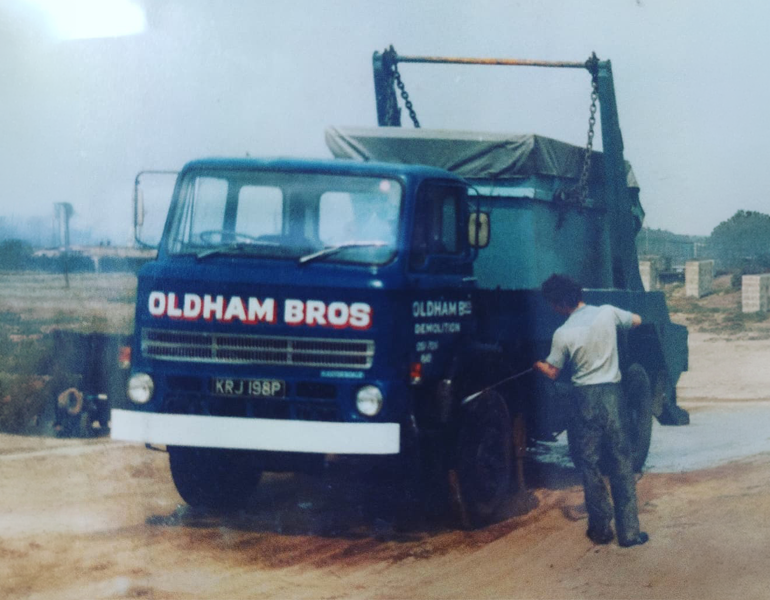
Wool Station
Demolition is a key factor to our business and we’ve had any job you could ask for big, small, easy, and hard but we’ve done each and every one to the professional standard we hold ourselves to. One of the harder jobs we’ve had in the past was the wool station; the wool station was unknowingly full of Anthrax which at the time wasn’t as well known or as easy to solve at this day and age; To combat the Anthrax we had to crush down everything in case the Anthrax seeped into and after it was crushed we then tipped it into a designated area in the docks. before the work had even begun the workers had to be some of the first people to get the Anthrax vaccine to be safe while the work was being done.
Windsor Towers
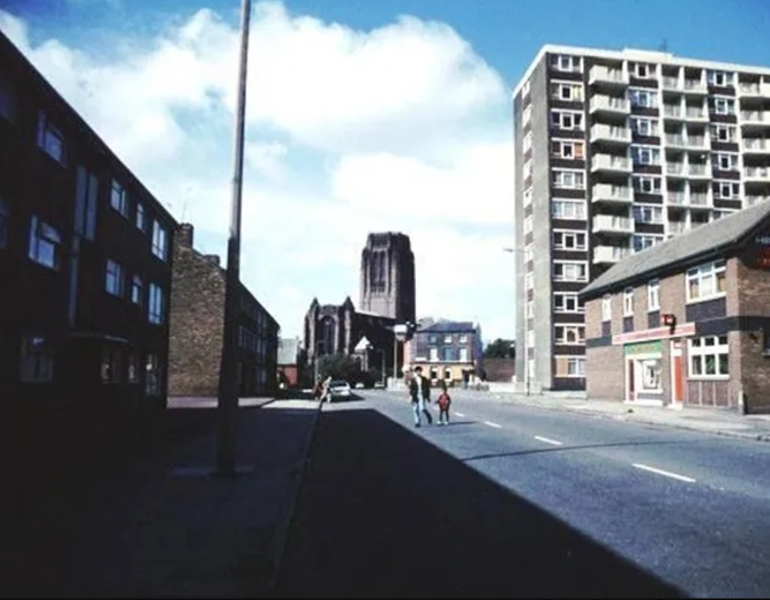
Windsor Tower was a multi-block high-rise of flats that we were tasked to deconstruct. Given the location, we became the first in the country to use this particular method of deconstruction, which later set a trend for others to follow. The reason this method was necessary was that the flats were in close proximity to other buildings that were not scheduled for demolition, requiring extreme precision and control.
This project showcased our ability to innovate under challenging conditions, balancing safety, efficiency, and minimal disruption to the surrounding community. It also cemented our reputation as pioneers in high-rise demolition techniques, demonstrating how careful planning and forward-thinking approaches can tackle even the most complex urban projects.
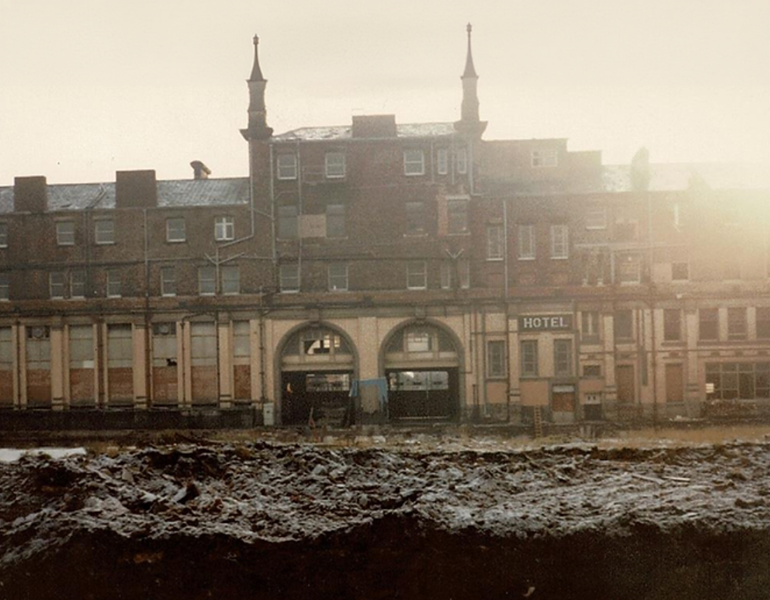
Exchange Station
This job was the Exchange station, one mistake and it could easily have been a disaster. We had to take extra steps and precautions to make sure everything was safe, the reason for this is because while we were working there, there was still trains coming and going through; This could’ve been extremely dangerous not only to the people on the train but also to all the people working as well. while the demolition was taking place, we had to make sure not to damage any of the surrounding buildings and had to leave the front of the station intact. We had to set up scaffolding up around the building, then we set up a hold through the wall so that if the wind picked up the wall wouldn’t fall down. But even with all of these variables in mind we still managed to get the job done without a hitch.